Lime Tree Baby Care in Singapore: How to Grow Citrus in a Bright Small Space
Posted on September 15 2026
Lime Tree Baby is a compact citrus plant for Singapore homes that have a bright balcony, sunny service yard or strong window light. It brings a fresh edible-plant feel to small spaces, but it needs more sun and more consistent care than a typical low-light houseplant. If you can give it warmth, drainage and regular checks, it can be a rewarding plant to grow at home.
- Light: Bright light is essential; a few hours of gentle direct sun is ideal.
- Water: Keep evenly moist, then let the top layer begin to dry before watering again.
- Soil: Use a free-draining mix and a pot with drainage holes.
- Best spot: Sunny balconies, bright service yards or window-adjacent corners.
Table of contents
- Why grow a baby lime tree?
- Light for compact citrus growth
- Watering and drainage in Singapore
- Feeding, pruning and leaf checks
- Placement ideas for small homes
- FAQ
Why grow a baby lime tree?
A baby lime tree gives you the pleasure of growing citrus without needing a large garden. It can sit in a pot, brighten a sunny balcony and add a practical edible-plant element to your home. Compared with many indoor foliage plants, citrus feels more seasonal and interactive: you watch the leaves, new shoots and overall shape respond to light and care.
The most important expectation is light. Lime trees are not true low-light indoor plants. They do best where they can receive strong brightness and some direct sun while still being protected from extreme drying wind.

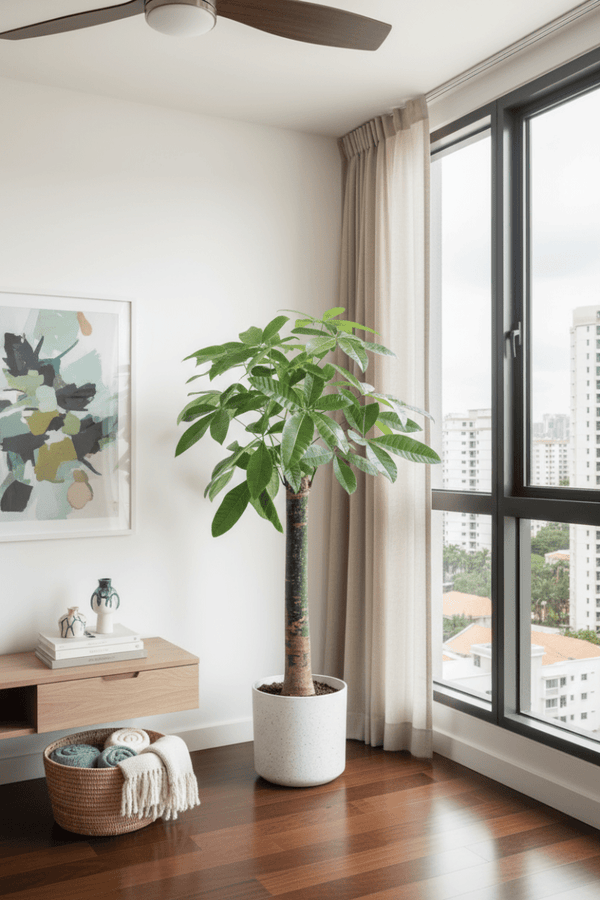
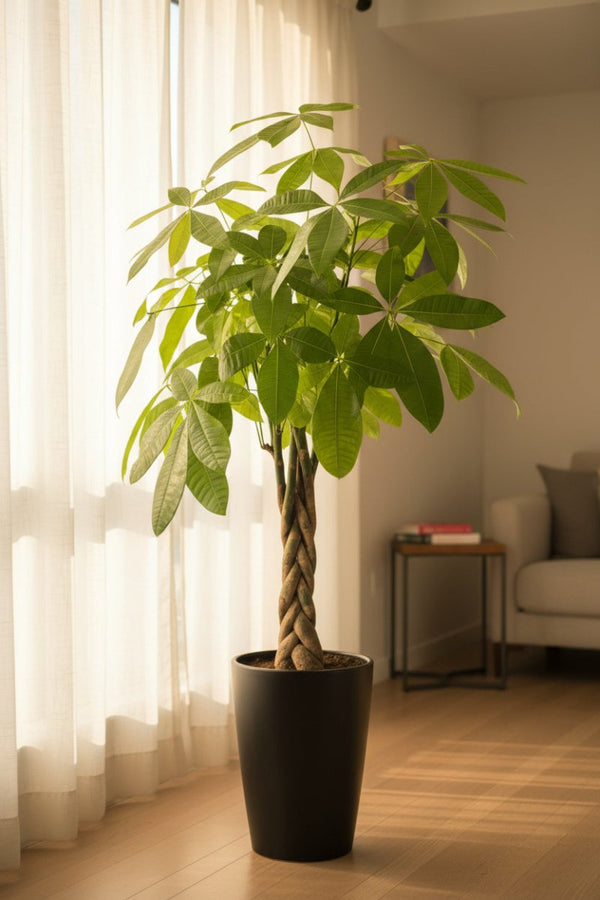
Featured plant: Lime Tree Baby
A compact citrus plant for sunny balconies, service yards and bright small-space plant corners.
Light for compact citrus growth
Place your lime tree in one of the brightest spots at home. A balcony with morning sun, a sunny service yard or a bright window that receives direct light for part of the day is usually best. If the plant is kept too far from a window, growth can become weak and leaves may drop more easily.
In very exposed spaces, watch for hot afternoon sun combined with fast-drying wind. If the leaves curl or the pot dries out extremely quickly, shift it to a spot with bright light and gentler sun.
Watering and drainage in Singapore
Lime trees prefer consistent moisture, but they dislike sitting in stale water. Water thoroughly until liquid drains from the bottom, then wait until the top layer of mix begins to dry before watering again. Small pots on balconies may need more frequent checks during hot weeks.
Drainage is non-negotiable. Use a pot with holes and avoid leaving water pooled in a saucer. If your tree sits in a decorative cover pot, remove the inner pot for watering and return it only after it has drained properly.
Feeding, pruning and leaf checks
Citrus plants use more nutrients than many leafy houseplants. During active growth, feed lightly with a balanced plant food according to label directions rather than overdoing it. Too much fertiliser can stress roots, especially in a small pot.
Prune lightly to keep the shape compact. Remove dead twigs, crossing growth or weak shoots with clean scissors. Check the undersides of leaves regularly for pests, as citrus foliage can attract scale or other sap-sucking insects in sheltered balcony conditions.
Placement ideas for small homes
For HDB and condo homes, treat Lime Tree Baby as a bright-space plant rather than a coffee-table plant. It works well beside balcony doors, in a sunny service yard, or as part of an edible plant corner with herbs and other sun-loving plants.
Rotate the pot every week or two for even growth. If one side receives all the sun, the plant may lean toward the light and become uneven over time.
Singapore care summary
- Give Lime Tree Baby the brightest practical spot at home.
- Water deeply, then let the top layer start to dry before watering again.
- Use a free-draining mix and never let the pot sit in water.
- Prune lightly and check leaves regularly for pests.
FAQ
Can Lime Tree Baby grow indoors?
It can grow indoors only if the spot is very bright. A sunny balcony, service yard or strong window light is much better than a dim interior shelf.
How often should I water it?
Check the potting mix. Water when the top layer begins to dry, then drain fully. Hot balcony conditions may require more frequent checks.
Why are the leaves yellowing?
Yellowing can come from overwatering, poor drainage, low light, nutrient stress or pests. Start by checking light, drainage and the undersides of leaves.
Does it need fertiliser?
Light feeding during active growth can help. Follow label directions and avoid heavy feeding in a small pot.
Grow useful plants in bright corners
Browse live plants and plant-care essentials selected for Singapore homes.